

Water Damage Restoration Cost in Simpsonville, SC
Heavy seasonal rainfall and occasional flash flooding from summer thunderstorms pose real water damage risks to Simpsonville homes, and the cost to restore that damage depends entirely on what a local provider discovers during their inspection. Acting quickly—before water spreads deeper into foundations, framing, or materials—typically keeps the scope of restoration work smaller and more contained. Connecting with a local restoration provider in Simpsonville right away gives you a clear picture of what the work will actually involve.
Water Damage Restoration Cost in Simpsonville, SC
Properties throughout Simpsonville face water damage risk from heavy seasonal rainfall and flash flooding that can occur during summer thunderstorms and when tropical systems move inland from the coast. When water enters a home—whether through foundation seepage, roof leaks, burst pipes, or surface flooding—the scope of restoration work and its associated cost depend on factors specific to each incident. Understanding what drives water damage restoration cost helps property owners in Simpsonville make informed decisions when comparing repair options and planning next steps after water intrusion.
Holman Water Damage Restoration connects Simpsonville property owners with independent local restoration providers who assess damage on-site and explain what the restoration process will involve and why. These providers evaluate the category of water that entered the home, the square footage and materials affected, the equipment and time required for complete drying, whether structural elements like drywall or flooring must be removed and rebuilt, and whether mold growth has begun. The faster a property owner responds to water damage, the smaller the affected area typically remains, which can reduce the overall scope of work. A direct conversation with a local provider gives you a clear picture of what restoration will require for your specific situation.
What Drives Water Damage Restoration Cost in Simpsonville
Water Category and Contamination
Restoration cost depends on whether water came from a clean source like a burst pipe, contaminated gray water from appliances, or hazardous black water from sewage or flooding. Black water requires specialized handling and removal, which increases the scope and complexity of the work.
Area Affected and Materials Involved
The cost reflects how much square footage was saturated and which materials absorbed the water. Wet drywall, flooring, cabinetry, and insulation may need removal and rebuilding. Larger areas and more materials mean more labor, hauling, and replacement, which directly affects the total work required.
Drying Time and Equipment Needs
Drying duration and the equipment required to extract moisture and circulate air shape restoration cost. Deeper saturation, higher humidity, and colder conditions extend drying time and demand more industrial dehumidifiers, fans, and monitoring. Longer timelines mean higher labor and equipment rental costs.
Flash Flooding Risk and Foundation Type
Simpsonville's exposure to heavy rain and flash flooding from seasonal storms means properties on crawl space or slab foundations may face water intrusion that reaches structural materials and subsurface areas. Water that penetrates deeper into the foundation zone requires more extensive extraction and drying, increasing restoration scope and cost.
How Your Water Damage Restoration Cost Is Estimated in Simpsonville, SC
From your first call to the final invoice, the goal is simple: understand what is driving Water Damage Restoration Cost for your property before any work begins.
Request an On-Site Estimate
When you contact Holman Water Damage Restoration, describe what happened and which areas of your home are wet. The independent local provider you're connected to will schedule a visit to inspect the damage and begin determining what water damage restoration will cost.
Assess Water Category and Scope
During the inspection, the provider identifies the water source—clean water from a burst pipe costs less to restore than gray water from appliances or black water from sewage—and measures affected square footage and materials like drywall, flooring, and cabinets to calculate water damage restoration cost. They also note how long drying will take and what equipment is needed based on moisture depth and air circulation required.
Review the Estimate Before Work Begins
The provider gives you a detailed estimate showing what water damage restoration will cost based on the scope of water removal, drying, and any structural repairs needed. You review the estimate, ask questions, and approve the plan before any work starts—acting quickly often keeps the scope smaller and reduces overall cost.
Wondering about Water Damage Restoration Cost in Simpsonville? Get an on-site estimate from a local provider.
Call Now — (864) 477-4481Water Damage Restoration Cost Factors in Simpsonville
Heavy seasonal rain and occasional flash flooding from summer thunderstorms are significant water-damage risks across Simpsonville, and the extent of water intrusion directly shapes restoration cost. When rainfall or flooding affects a home—whether in established neighborhoods like Neely Farm or newer subdivisions such as Woodfield Plantation—the scope of work depends on how much of the property absorbed water, which building materials were saturated, and how long moisture has been present. A small, contained wet spot in a utility room costs less to dry and restore than water that has spread across multiple rooms, soaked into drywall, or reached flooring and cabinets. The longer water remains, the higher the risk that structural materials, insulation, and subflooring will require removal and replacement, all of which increase the final cost of restoration.
The category of water involved is another major cost driver. Clean water from a heavy rain or broken supply line requires less intensive remediation than gray water from an overflowing washing machine or toilet, which carries contaminants and demands more rigorous cleaning and disinfection. Black water—sewage or severely contaminated floodwater—requires the most extensive decontamination and removal protocols, substantially raising the scope and expense. Acting quickly to extract standing water and begin the drying process typically prevents saturation from deepening into structural materials, keeping the restoration scope narrower and costs proportional to the actual damage rather than secondary problems that develop over days or weeks.
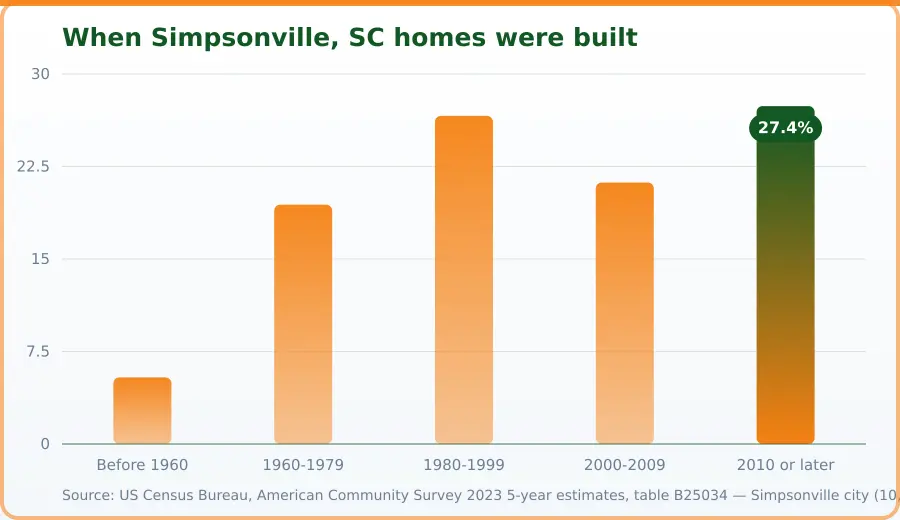
| Period | When homes were built (%) |
|---|---|
| Before 1960 | 5.4 |
| 1960-1979 | 19.4 |
| 1980-1999 | 26.6 |
| 2000-2009 | 21.2 |
| 2010 or later | 27.4 |
Source: US Census Bureau, American Community Survey 2023 5-year estimates, table B25034 — Simpsonville city (10,267 housing units). Retrieved October 4, 2026.
Seasonal Water Damage Restoration Costs in Simpsonville
Spring: Heavy Rain Impact
Spring rainfall in the Upstate brings frequent heavy storms that saturate soil and overwhelm drainage systems, driving water into crawl spaces and slab-on-grade foundations. Water damage restoration costs rise when saturation reaches framing, insulation, and subflooring because drying takes longer and equipment runs continuously. Acting quickly prevents mold onset, which expands the scope and cost significantly.
Summer: Flash Flooding Risk
Summer thunderstorms and tropical system remnants can trigger flash flooding that forces water into homes through foundations, crawl spaces, and ground-level entries. Floodwater often contains sediment and contaminants, classifying it as gray or black water—categories that demand more intensive extraction, decontamination, and disposal steps than clean water, substantially raising restoration costs.
Fall: Moisture and Debris
Fall's temperature swings create condensation in attics and crawl spaces, while leaf-clogged gutters and downspouts redirect water toward foundations. Water damage restoration costs depend on whether moisture has triggered wood rot, mold, or structural softening—conditions discovered during inspection that expand drying duration, material removal, and reconstruction requirements.
Winter: Freeze-Thaw Stress
Winter cold can crack pipes, split water lines, and force thawing water into walls, ceilings, and cabinetry. Restoration costs grow when ice dams or frozen gutters trap water inside, because hidden moisture spreads through insulation and drywall before it becomes visible. Early detection and rapid drying prevent secondary damage that would increase material removal and rebuild scope.
Water Damage Restoration Cost FAQs — Simpsonville, SC
Water damage restoration cost depends on several key factors: the category and source of water involved, the size of the affected area, what materials were damaged (drywall, flooring, insulation), and how long drying takes. Structural damage or mold growth can increase costs significantly. A local provider's on-site inspection determines the exact scope and price for your specific situation.
Quick action typically keeps restoration costs lower. When water sits, it spreads deeper into materials, structural components, and foundations, creating more extensive damage and longer drying times. Early response limits the affected area and reduces the risk of secondary damage that would otherwise compound the final cost.
An independent local provider visits your property to inspect the water damage firsthand. They assess the affected materials, water category, drying requirements, and any structural concerns. Based on that inspection, they provide a detailed estimate. This on-site evaluation is the only way to accurately price restoration for your specific property.
Homeowners insurance may help cover restoration costs depending on your policy and the cause of damage. Water damage coverage varies widely—some policies cover sudden, accidental water events while others exclude certain scenarios. Contact your insurer about your specific claim. The restoration provider can work with your insurance company during the process.
Holman Water Damage Restoration connects property owners with independent local providers fast. When you reach out, we match you with a nearby provider who can respond quickly to assess your water damage and provide an on-site estimate. Time is critical in water emergencies, so we prioritize getting you connected to a local restoration team right away.
Simpsonville's risk for heavy seasonal rainfall and flash flooding can impact restoration scope and cost. Homes with slab-on-grade or crawl space foundations may experience water intrusion differently depending on foundation type and site drainage. Flooding events often mean multiple properties need restoration simultaneously, and damage extent varies by location and water severity—all factors that influence the final restoration cost.
Homeowner Safety Toolkit
Verify Your Simpsonville, SC Water Damage Restoration Company
Before you hire anyone, use these independent national resources to confirm credentials, standards, and track record.
RIA
A national trade association whose member companies agree to a written code of ethics covering honest estimates, safety, and fair billing.
Code of EthicsBBB
Look up any restoration company's complaint history, customer reviews, and accreditation status — a free, independent check before you hire.
Check StandingNADCA
Sets the industry standard for inspecting and cleaning HVAC systems after water damage, so contaminated ductwork doesn't spread moisture through the rest of the house.
Duct & Air StandardsQuestions about Water Damage Restoration Cost in Simpsonville, SC? Call (864) 477-4481 to arrange a local on-site estimate.
Call Now — (864) 477-4481Areas We Serve Near Simpsonville, South Carolina
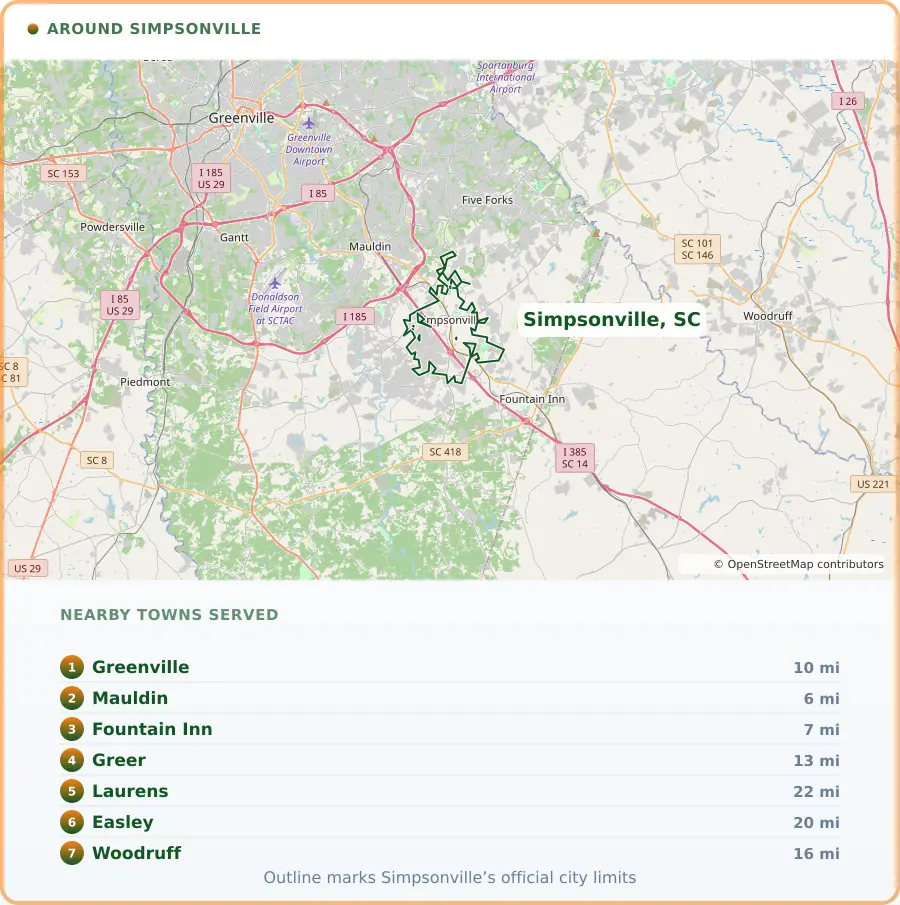
Based in Simpsonville, SC, with 7 nearby communities inside the service area — near enough to reach quickly, not just listed on a map.
Simpsonville, SC Information
Simpsonville, SC, holds its own as a steadily growing city within the Greenville-Spartanburg metro, a region known for blending Southern pace with real industrial ambition. With roughly 25,000 residents, the city plays an active part in the Upstate's advanced manufacturing and automotive supply-chain economy, while healthcare, retail, and logistics operations keep expanding along its busy commercial corridors.
From established areas near Five Forks to newer neighborhoods like Hartness, Simpsonville mixes long-settled community character with fresh construction tied to the region's population growth. Employers ranging from Bon Secours St. Francis to Lowe's and Publix anchor daily life, giving the city a practical, neighborly rhythm shaped by both tradition and steady Upstate momentum.
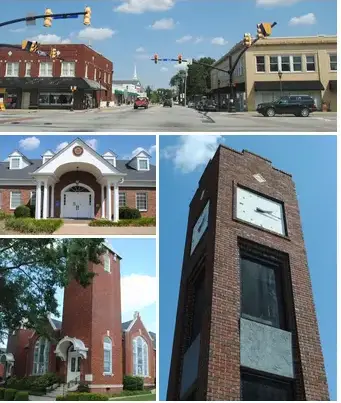
Photo: Excel23, CC BY-SA 4.0